This treatment method, applied to achieve an aesthetically pleasing appearance, is called restorative dentistry. Every individual—especially women—may have various aesthetic needs.
Oral and dental health is a condition that can significantly affect a person’s quality of life. For this reason, proper attention must be given to oral and dental care. However, in some cases, especially regarding dental health, serious losses can occur. Almost everyone has experienced a dental problem at least once in their life. Yet, the number of people who truly address these issues and seek treatment is limited. In our country, dental problems are often neglected, which later leads to great regret. Nevertheless, with advancements in technology, many treatment methods have become available for dental problems. These technological developments have also greatly contributed to the advancement of methods used in restorative dentistry.
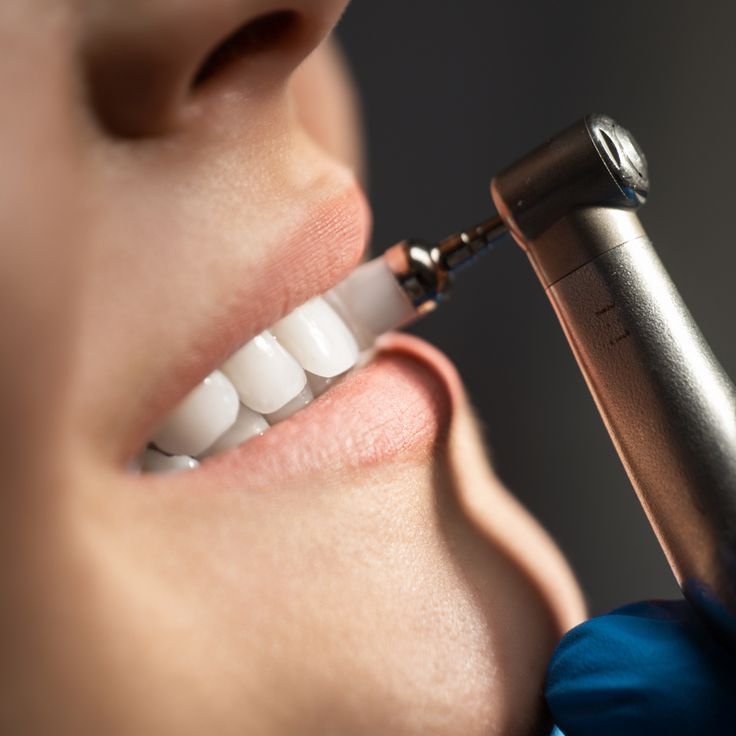
This treatment method, applied to achieve an aesthetically pleasing appearance, is called restorative dentistry. Every individual—particularly women—has various aesthetic expectations. To meet these expectations, individuals undergo different procedures. In addition to aesthetics, those who desire a healthy and natural appearance frequently turn to restorative dental treatment. The natural spacing between teeth, the structure of the surrounding soft tissue, and the facial features and shapes unique to each individual should all form a harmonious whole. Achieving the desired quality of the teeth, correcting discoloration, removing tartar, and performing surface cleaning are essential components of restorative dental treatment. Therefore, individuals should choose a procedure carried out by a specialist dentist and experienced technicians. During the initial examination performed by the restorative dentistry specialist, measurements of the treatment area are taken. The restoration prepared in a laboratory environment is bonded to the tooth during the next session using various materials. In essence, restorative dentistry can be considered a type of filling application.
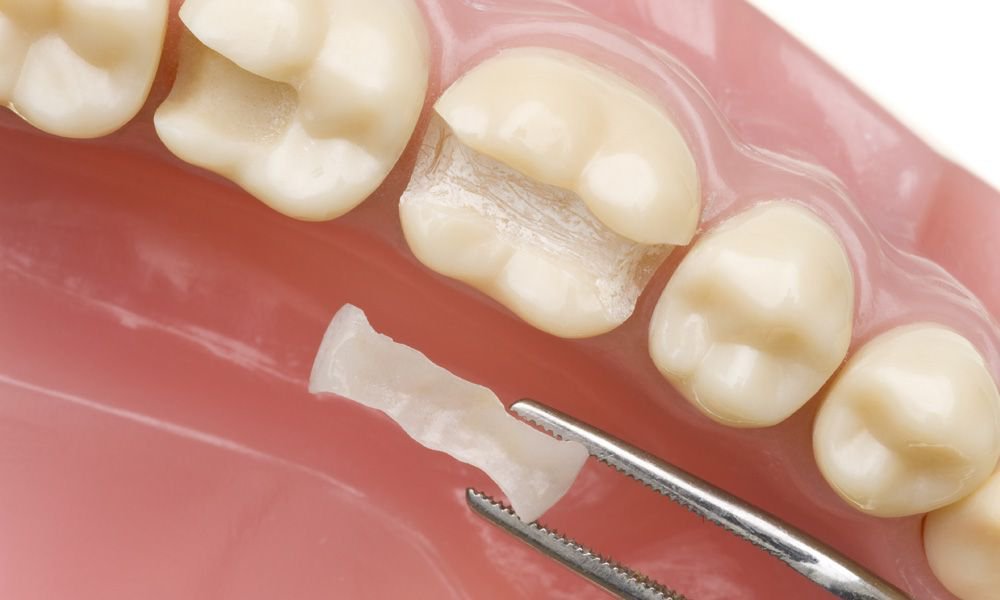
Restorative dentistry prevents diseases affecting the hard tissues of the teeth. It is a type of treatment used to correct significant substance loss in teeth caused by various factors, improve aesthetic problems, address issues such as changes in tooth shape, and restore teeth that have deviated from their natural color. The goal is to help patients achieve an aesthetically pleasing and natural smile. Within restorative dentistry, teeth damaged due to decay, trauma, or developmental disorders are treated. After restorative dental treatment, supportive procedures performed by dentists may include diastema closure (filling narrow gaps between teeth) and teeth whitening.
Restorative dentistry is generally preferred by individuals who are dissatisfied with the appearance of their smile. This method has no age restriction and can be safely applied to elderly individuals and children; however, it is most commonly preferred by middle-aged patients. The rate of application in children is lower compared to adults and the elderly. Additionally, in cases where the oral and jaw structure is larger than normal or when the jaw is positioned forward, restorative treatment may be preferred after these issues are addressed. Individuals who have experienced deformities due to accidents or who struggle with permanent stains on their teeth may also seek this treatment. Furthermore, doctors may apply restorative dental treatment during the management of geriatric and oncology patients.
Restorative dentistry includes multiple methods designed for different purposes. The frequency and manner of application of these methods vary depending on both the patient and the practitioner performing the procedure. Techniques used in restorative dentistry include direct or indirect composite restorations (using two or more structurally different materials processed together), porcelain aesthetic applications, personalized smile design, teeth whitening procedures, treatments for dentin sensitivity, vital pulp therapy, and pre-prosthetic restoration applications. Biocompatible materials that do not harm the tooth are an essential part of these procedures. With these materials, various substance losses occurring on the tooth surface can be effectively treated. Since the materials used are biocompatible, even elderly individuals or those with oncological conditions can safely undergo restorative dental treatment.
After the procedure, there are generally no strict rules that must be followed. However, some tooth sensitivity may occur. The level of sensitivity depends on the size and complexity of the procedure. Following extensive or demanding procedures, patients may experience sensitivity for up to two or three days. If this period is prolonged, patients should consult their dentist and not ignore the situation. Neglecting such symptoms may lead to severe pain and discomfort. In some cases, the entire procedure may even need to be repeated. Raising awareness about dental health among our citizens remains an important issue in our country.