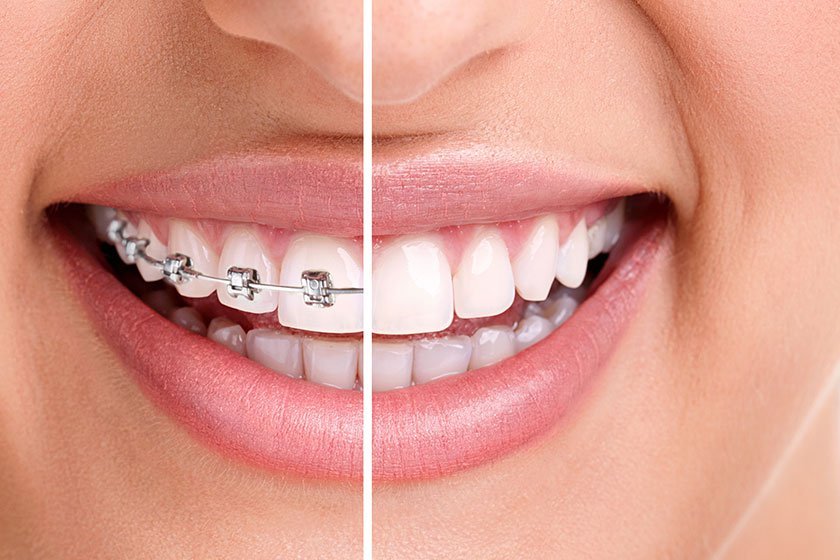
What Should You Know During the Braces Treatment Process?
You may be seeking treatment for your own misaligned teeth or for your child’s crowded teeth. To begin with, it is worth noting that approximately 250,000 people in Turkey are currently undergoing active orthodontic treatment.
Maintaining oral and dental health requires careful hygiene and attention. Crowded teeth definitely make it more difficult to maintain proper oral hygiene. The solution for misaligned teeth is orthodontic treatment. An ideal orthodontic treatment, where successful results are fully achieved, generally lasts about 1.5 to 2 years. While orthodontic treatment requires some patience and care, proper preparation before starting treatment is also essential. Let’s review what you need to know before beginning braces treatment.
1. Your Dentist Must Be an Orthodontic Specialist!
Every orthodontist is a dentist, but not every dentist is an orthodontist. Only about 3% of dentists in our country are orthodontic specialists. To achieve a successful and ideal result without disappointment or the need for repeat treatment, we recommend that your dentist be a certified orthodontist. Ask to see your doctor’s “Orthodontic Specialty Diploma.” You may also request to review similar cases they have treated and examine their results.
2. Orthodontic Treatment Planning Is Everything!
The first condition for reaching your goal is a scientifically based and well-structured treatment plan. Successful orthodontic treatment planning requires detailed orthodontic analyses. For these analyses, cephalometric X-rays and standard panoramic X-rays should be taken, photographs should be recorded, and all these data should be compared with ideal normative values. In addition, by taking advantage of modern technology, you should be able to see a simulation of your expected treatment outcome through digital intraoral scans and computer modeling. After all, who would want to wait two years for a treatment without knowing the expected result?
3. Some Word Pronunciations May Be Difficult at the Beginning of Treatment!
When braces are first placed, you may experience temporary difficulty getting used to certain sounds. In the early stage, braces may cause minor pronunciation challenges with some words. There is no need to worry. This brief and even endearing period will gradually disappear as you become accustomed to your braces.
4. Keep Your Lips Moisturized!
One of the things you should know before starting braces treatment is that the first appointment may take a little longer. To stay comfortable during the procedure, we recommend applying a moisturizing lip balm just before your brackets are placed. Bringing a nourishing lip balm with you to your appointments will help prevent minor cracks or dryness in your lips.
5. You May Experience Mild Discomfort on the First Evening!
The process of placing braces can take some time; however, it is not painful. In the days following placement, as your teeth begin to shift, you may feel mild soreness. For orthodontists, this is actually a positive sign indicating that your teeth are responding to treatment. It is similar to muscle soreness after exercise and is completely normal, showing that progress is being made. There is no need for concern. In most cases, the discomfort is mild enough that pain relievers are not even necessary. It usually subsides after the third day and may last up to a week at most.
6. It May Take Some Time to Adjust to Your New Appearance!
After getting braces, it may take a little time to adjust to your new look and the feeling of brackets in your mouth. However, adapting to braces happens faster than you might think. Soon, especially once you notice your teeth beginning to straighten, you will start to forget your previous appearance and appreciate the transformation.
7. Get Orthodontic Floss, an Orthodontic Toothbrush, and Interdental Brushes!
Another important thing to know before starting braces treatment is that you must pay extra attention to your oral hygiene. During treatment, you should brush your teeth using proper orthodontic techniques and regularly use interdental brushes and floss. With a specially designed orthodontic toothbrush, you should thoroughly clean around, under, above, and behind the brackets, as well as along the gumline. Since brackets can wear out your toothbrush more quickly, we recommend replacing it more frequently.
8. Be Prepared for the Possibility of Tooth Extraction!
One thing to keep in mind during the braces process is the potential need for tooth extraction. Depending on your dental and jaw structure, your orthodontist may determine—based on cephalometric analysis—that extraction is necessary. In cases of severe crowding where there is insufficient space in the mouth, tooth extraction may be required. If the crowding is minimal, extraction may not be needed. In the past, about 40% of orthodontic patients required extractions, but thanks to advancing technology and modern space-gaining techniques (such as distalization), this rate has decreased to around 20%.
9. Never Let Braces Lower Your Self-Confidence!
Today, people of all ages seek orthodontic treatment to achieve a beautiful smile. Remember that wearing braces is completely normal and is only temporary for achieving lifelong healthy teeth. This is a process, and by focusing on the healthy, straight, pearl-like teeth you will have at the end, you can motivate yourself. Did you know? A 2016 study conducted in the United States scientifically demonstrated that individuals appeared more intelligent after orthodontic treatment. Moreover, these individuals advanced more quickly in their careers compared to those who had not received treatment.
10. Food May Get Stuck in Your Braces!
You should be prepared for the possibility that food may become lodged between your brackets or wires. This is one of the common concerns during braces treatment. However, there is no need to worry. With proper brushing after each meal, you can easily remove any trapped food. For this reason, we recommend carrying your dental hygiene kit with you wherever you go.
11. Be Ready for Minor Changes in Your Eating Habits!
Before starting braces treatment, you should know that some adjustments to your eating habits will be necessary. After braces are placed, you will need to avoid biting into hard foods to prevent damage to the brackets and wires. We also advise limiting sticky foods and carbonated beverages during orthodontic treatment.
12. Be Prepared for Mild Soreness After Each Adjustment!
After each appointment, your orthodontist will make necessary adjustments to your braces, and you may feel temporary soreness. However, this discomfort will not be severe and is usually milder than the initial soreness. It is a natural sensation caused by the movement of your teeth within the gums. This mild discomfort typically disappears within 1–3 days and brings you one step closer to your desired smile.
13. You Will Notice Changes as Early as the First Month!
Braces improve the appearance of your teeth quite rapidly. In fact, you may begin to notice visible changes within the first month. By carefully following your orthodontist’s instructions, you can help accelerate this progress.
14. Braces May Make Your Lips Appear Slightly Different!
Braces can create subtle yet noticeable changes in your facial appearance. Your lips may appear slightly fuller or more pronounced due to the presence of brackets. Since fuller lips are often considered an attractive feature today, many patients appreciate this effect. However, this is temporary. As your teeth align properly, your lips will settle into their ideal appearance.
15. Orthodontic Wax Will Be Your Best Friend!
One more important thing to know before starting braces treatment is the use of orthodontic wax. The special wax provided to our patients at the beginning of treatment helps protect your lips and the inside of your mouth from potential irritation caused by the brackets.
16. The Fastest Treatment Is Not the Best Treatment!
In the United States, orthodontic treatment typically lasts between 14 and 27 months. In our country, the duration is similar. The severity of dental crowding and jaw irregularities directly affects the length of treatment. The belief that faster treatment means better treatment is absolutely incorrect. Rapid treatment can often damage tooth roots and may result in relapse after completion. After consultations with a few orthodontic specialists, you can better understand the estimated duration of your treatment.
17. Remember: The Most Successful Orthodontic Treatment Is the One Done Right the First Time!
If your dentist mentions a significantly shorter treatment time than average, it may indicate that important steps could be overlooked. Biologically, the monthly rate of tooth and jaw movement is similar among healthy individuals worldwide. Every doctor wants to satisfy their patients as quickly as possible. However, rushing treatment often leads to lower quality results and may require repeat orthodontic treatment in the future. Damage to tooth roots can further increase disappointment.
18. Keep in Mind That the Estimated Duration May Change!
Even if an average duration is estimated, treatment time may be extended or shortened depending on individual circumstances. For example, eating certain foods may cause a wire to loosen or a bracket to break. Although such issues are rare, they can extend treatment time. Be prepared for these possibilities and try not to lose motivation. Maintaining excellent oral hygiene and following your orthodontist’s instructions at each monthly check-up can help keep your treatment on track.
19. Every Treatment Plan Is Unique!
Even identical twins may have completely different treatment plans, durations, and additional mechanics. One of you may need to wear elastics, while the other may require a face mask or even surgery.
20. After Braces Are Removed, Do Not Neglect Retainers!
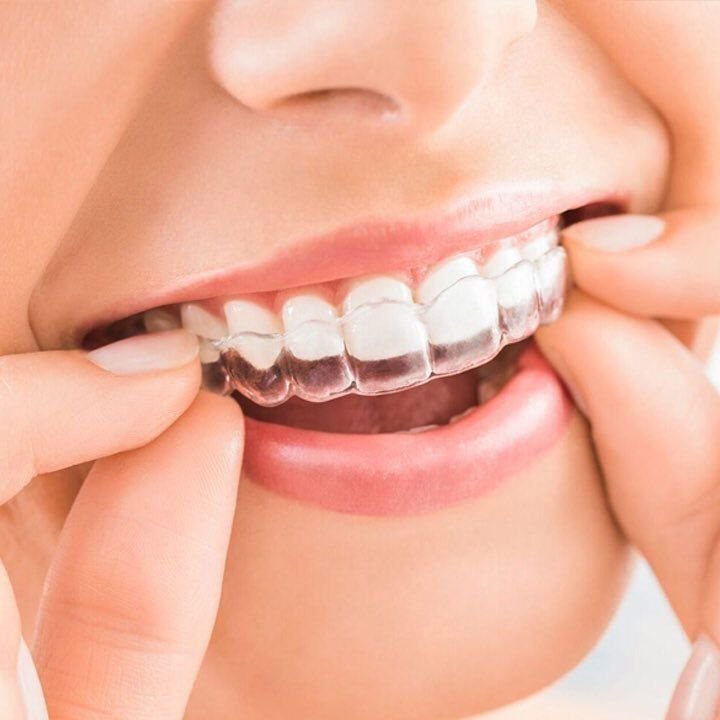
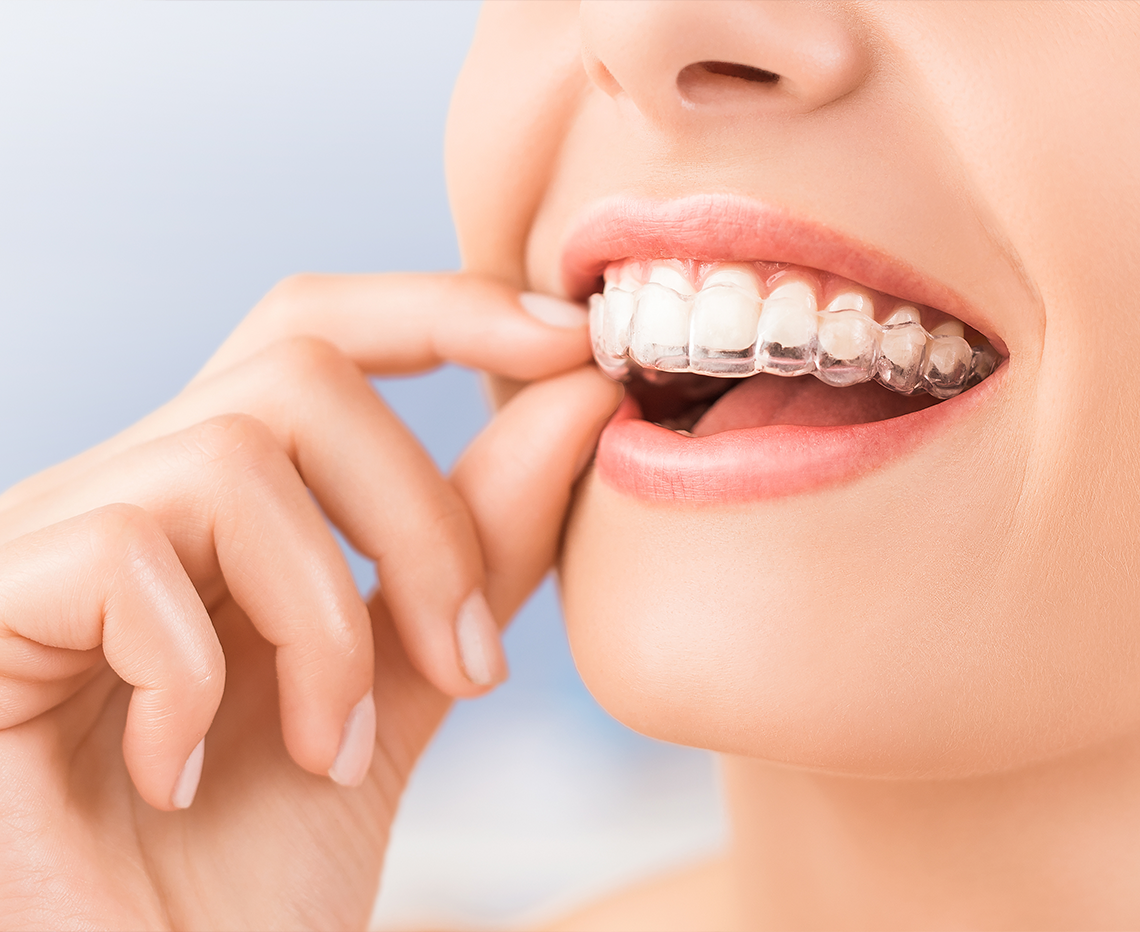
One important thing to know before starting braces treatment is that there will be a passive phase after the active phase ends. In other words, orthodontic treatment continues for a period even after the braces are removed to maintain the results. Your orthodontist will provide fixed retainers and clear retention aligners to prevent your teeth from shifting back. This step is essential to ensure your beautifully aligned teeth remain stable long-term.