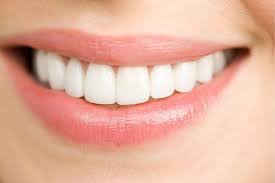
It is well known that each tooth in the mouth has a specific function, and missing teeth not only create an unpleasant appearance but can also cause digestive problems. The process of replacing missing teeth with artificial ones is called dental prosthesis treatment. Dental prostheses are generally preferred in cases where the number of missing teeth is high.
Dental prosthesis treatment is one of the most commonly used methods to eliminate oral and dental problems. To determine whether this treatment is necessary, a patient should first consult a specialist dentist for an examination. After this evaluation, a decision can be made regarding the application of the treatment. Once the decision is made, a specific treatment process begins.
The following factors influence a dentist’s decision to perform a dental prosthesis:
- The occurrence of chewing disorders due to missing teeth,
- Aesthetic problems caused by tooth loss in the mouth,
- Speech impairments and difficulty pronouncing certain sounds due to missing teeth.
These reasons lead the dentist to decide on applying a dental prosthesis to restore the function of missing teeth. With prosthetic teeth placed in the mouth, the patient can overcome these issues. The selection of the prosthesis type depends on the oral structure, the extent of missing teeth, and tissue loss. After preliminary assessments, the appropriate type of prosthesis is determined and applied according to the degree of tooth loss.
What Is a Dental Prosthesis?
Our teeth are extremely important and valuable to us. When the gums and surrounding tissues are damaged or irritated, a dental prosthesis may be required. Prosthetic teeth are custom-made for each individual. This allows patients to regain proper chewing function—an essential part of the digestive system—leading to a more comfortable life. Speech improves, and a more aesthetic appearance is achieved. Overall quality of life increases. Since prosthetic teeth are designed specifically for the individual, they fit perfectly in the mouth and are generally comfortable to use.
Advantages of Using Dental Prostheses
- The benefits of dental prostheses in daily life are numerous.
- They significantly improve a person’s quality of life.
- They provide an aesthetic appearance.
- They restore healthy chewing ability.
- They fit perfectly in the mouth as they are custom-made.
There are different types available depending on preference or need, including removable and fixed prostheses. You can choose the type that feels most comfortable for you.
To ensure comfort and a natural appearance, prosthetic teeth are produced in a color that matches the patient’s natural tooth or gum tone. This results in a more natural and harmonious look.
Frequently Asked Questions About Dental Prosthesis Technology
People may lose their teeth for various reasons. Tooth loss can lead to significant problems. To prevent these issues, dentists may recommend dental prosthesis treatment for affected patients.
After an examination, patients may have many questions about dental prostheses. Questions such as whether a prosthesis is necessary or if alternative treatments are possible will be thoroughly explained by the dentist. Another common concern is whether prosthetic teeth cause pain. Patients should know that mild discomfort may occur until the mouth adapts to the prosthesis, but this usually subsides after a short period.
The duration of dental prosthesis treatment varies depending on the type of prosthesis being applied. For complete dentures, approximately five sessions over a two-week period may be required. To fully adapt to the prosthesis, a 4–6 week adjustment period is generally necessary. After this adaptation phase, the prosthesis will fit comfortably, and the patient should not experience issues.
If significant problems occur after the prosthesis is placed, patients should consult their dentist for adjustments. Additionally, to accelerate the adaptation process, removing and reinserting the prosthesis every four hours may help the mouth adjust more quickly.
Dental Prosthesis Prices
Teeth are located in one of the most important areas of the body and require proper care. Healthy teeth should fulfill their functions in digestion and aesthetic appearance. If these functions cannot be maintained, dental prosthesis treatment may be considered. After examination, the dentist determines the appropriate type of prosthesis. The price is calculated according to the type and quality of the prosthesis. Therefore, dental prosthesis prices vary depending on the type and materials used.
Types of Dental Prostheses
Dental prostheses come in various forms, including fixed prostheses, removable prostheses, complete dentures, partial dentures, and precision attachment prostheses.
Fixed Prostheses
Fixed prostheses are applied by cementing the prepared prosthetic teeth onto existing teeth. This is one of the most commonly preferred methods. Crowns and bridges are examples of fixed prostheses.
Removable Dentures
Removable dentures are prostheses placed in the mouth but not permanently fixed. They can be removed and reinserted by the patient. These dentures should be cleaned daily and maintained with proper hygiene.
Complete Dentures
Complete dentures, commonly known as full dentures, are preferred when implants are not suitable. In this method, artificial teeth replace all teeth that cannot function properly. These dentures are supported by the bone tissue in the upper and lower jaws.
Partial Dentures
Partial dentures are used in cases where fixed prostheses are not suitable. In this method, artificial teeth are attached with clasps to replace missing teeth. These tissue-supported dentures are removable and must be cleaned regularly to maintain oral health.
Precision Attachment Prostheses
Precision attachment prostheses are used in cases of partial tooth loss. In some designs, clasps may be visible externally. No additional devices other than attachments are used in these prostheses.
Dental prosthesis applications may also be named according to the material used and the application method. Terms such as zirconium and laminate prostheses are also commonly used. Choosing a high-quality and durable prosthesis is very important. Therefore, during the treatment process, you should prefer the most suitable materials and follow your dentist’s recommendations.
Who Should Consider Dental Prostheses?
Another common question is: Who should use dental prostheses? Not everyone can use a prosthesis without valid reasons. Individuals with damaged or worn tooth structures often prefer prostheses to eat more comfortably and achieve a better aesthetic appearance. Many patients report high satisfaction. With dental prostheses, you can significantly improve your quality of life. Those who have lost their teeth and surrounding tissues are also suitable candidates. They can regain a natural tooth appearance and enjoy improved chewing function.
How Do We Know If a Dental Prosthesis Is Suitable?
Many factors, such as missing teeth, damaged enamel, or irritated teeth, may indicate the need for a dental prosthesis. A comfortable life and the ability to eat properly are essential for everyone. Dental prostheses provide solutions to many problems and offer numerous advantages. Choosing the most suitable dental prosthesis is extremely important. This decision should be made by considering the individual’s lifestyle, social life, oral structure, and overall oral health. By consulting dentists and prosthodontic specialists, you can make the most appropriate and informed decision.